
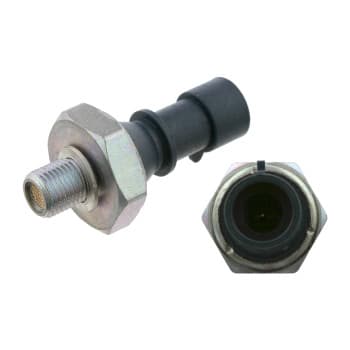
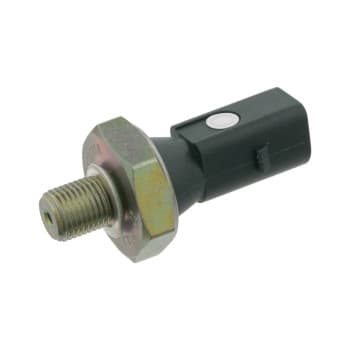
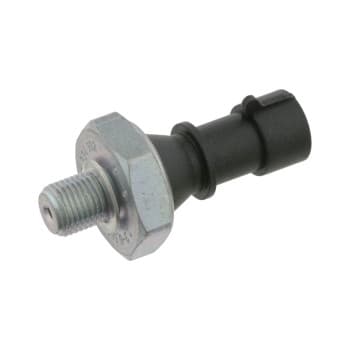
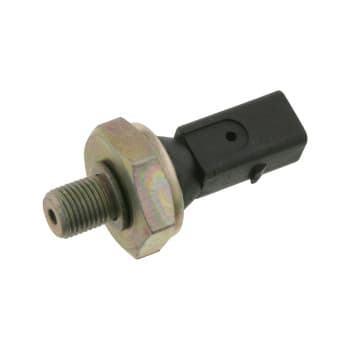

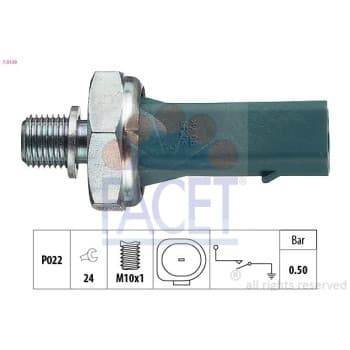
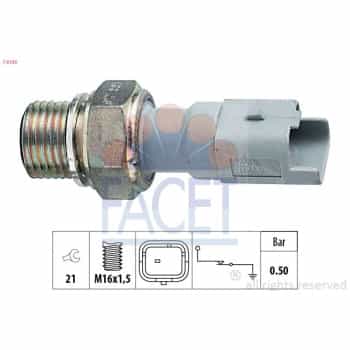
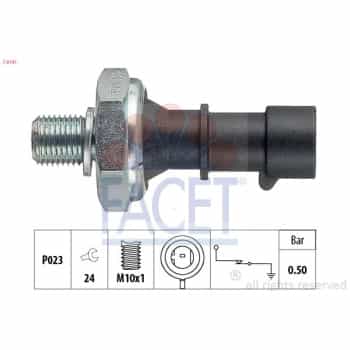
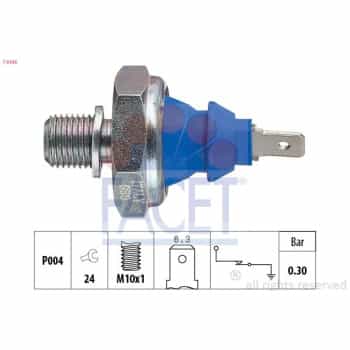
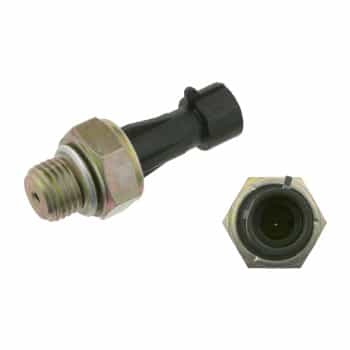
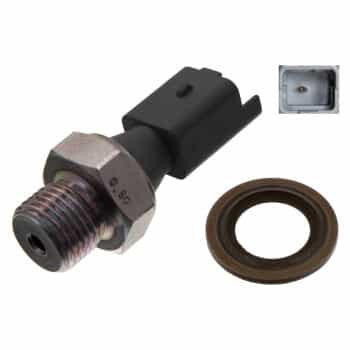
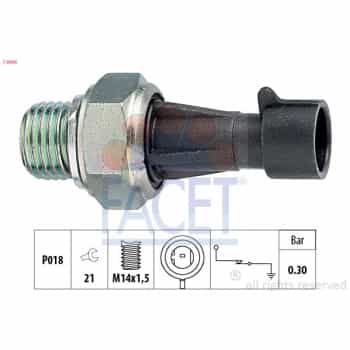
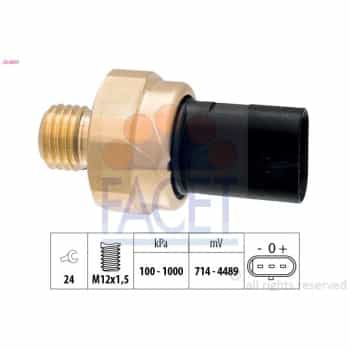
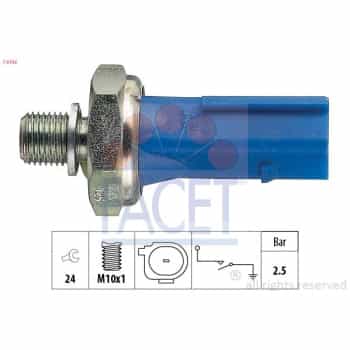
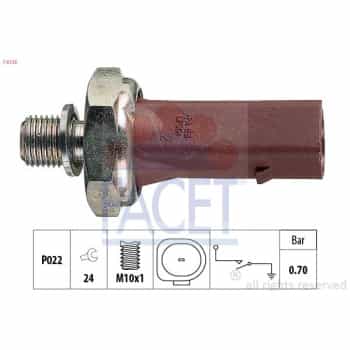
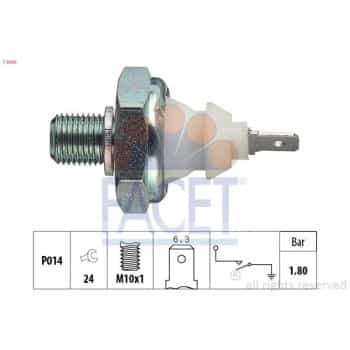
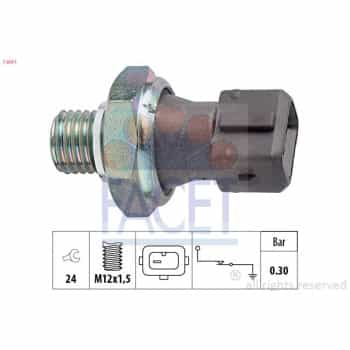

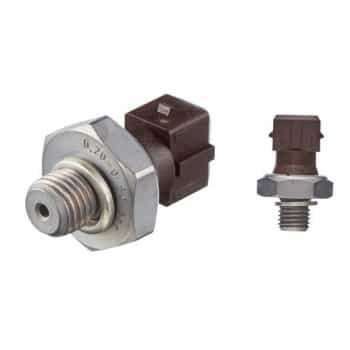
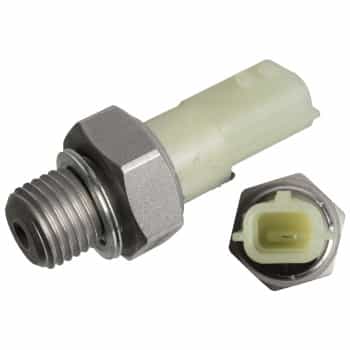
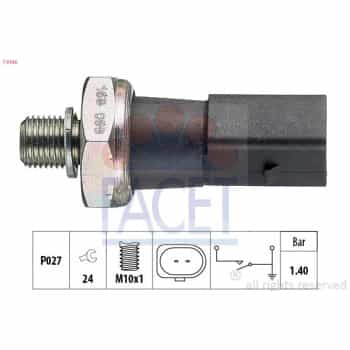
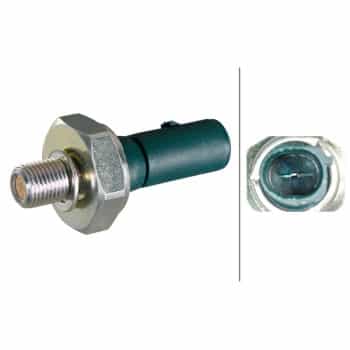
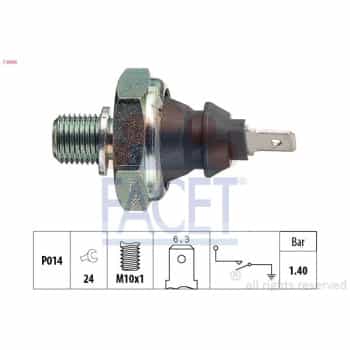
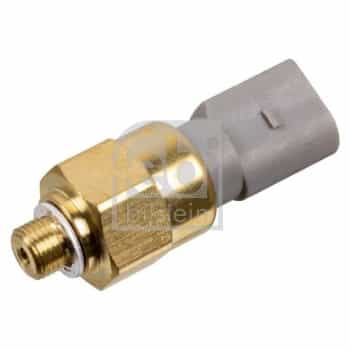
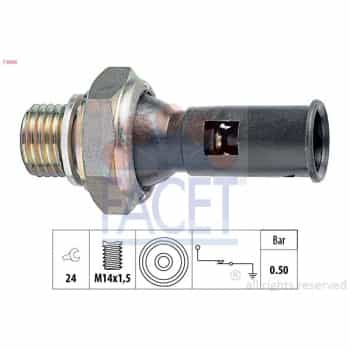
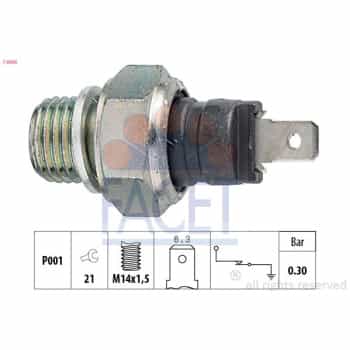
The oil pressure sensor measures the amount of oil pressure that is pumped past the engine parts. If there is a change in the oil pressure, the sensor will report this to the notification system. Then a warning is displayed in the dashboard or the oil pressure gauge in the dashboard is at zero. If the oil pressure does not have good values, the engine parts can be damaged. The change in oil pressure can, for example, be caused by dirt in the engine oil, which means that the engine parts can no longer be properly lubricated.
If the sensor does not work, you may not notice an oil level that is too low, as the oil level is no longer displayed. An oil level that is too low can cause damage and wear to the engine parts. The parts are then not sufficiently lubricated and cooled.
Oil pressure sensor broken
When the oil pressure sensor is broken, you can quickly recognize this by the warning light in the dashboard. When the oil pressure light is on or flashing, it is important to check the oil level. Do you see that the oil level is correct? Then the malfunction light will most likely come on because a defect in the sensor has been detected.
Older cars often have an oil pressure gauge. This shows in the dashboard what the oil pressure level is. Does this gauge show zero, but is the oil level correct? Then this is also an indication of a faulty oil pressure sensor.
Replace oil pressure sensor
Replacing the oil pressure sensor can be done yourself and is a relatively simple job. It is important to check that no other car parts have been damaged. In the event of further damage, these car parts will also have to be replaced.
Replacing the oil pressure sensor can be performed by following these steps:
1. Locate the oil pressure sensor. The oil pressure sensor is usually mounted in the engine block or in the cylinder head. However, this is not the same for every vehicle. Can't find the sensor? Then look in the manual of your car for the exact location.
2. Remove the oil pressure sensor from the connector. This is often secured with a clip.
3. Unscrew the sensor with a socket wrench. You can remove the last piece by hand.
4. Apply some threadlocker to seal between the parts, then insert the new sensor with your hand. Tighten the last piece with the socket wrench.
5. Reconnect the sensor to the connector by securing the clip.
6. Start the car and then wait 5 to 10 seconds. Then check if the warning light disappears from the dashboard. If you have an oil pressure gauge, you can also check the oil pressure.
Buy oil pressure sensor
Buying an oil pressure sensor for your car is easy and fast at Winparts. To find the right sensor for your vehicle, select the car model on the website. The suitable car parts will then be displayed. Are you looking for other sensors for your car? In our wide range you will also find oil level sensors, coolant sensors, crankshaft sensors and camshaft sensors.